Families now ask us about substances many parents had never heard of a few years ago: MDMA, methamphetamine and other synthetic drugs. This page explains, in plain words, what a family can look for and what to do first.
What "synthetic drugs" means
These are man-made substances, usually sold as pills, crystals or powder. They act strongly on the brain, and dependence can build quickly. Nobody buying them knows the real strength or what has been mixed in, which is a large part of the danger.
Signs a family may notice
- Going without sleep for long stretches, then sleeping for a day or more
- Sudden loss of appetite and weight
- Restlessness, non-stop talking or sharp irritability that is not like them
- Suspicion or fearfulness without a clear reason
- New friends, and secrecy about the phone and about money
- Money or valuables going missing at home
- Falling behind at college or work
None of these proves drug use. They are reasons to talk, not reasons to accuse.
What to do first
- Choose a calm, private moment. Not during an argument, and not when the person seems affected.
- Speak about what you have seen and how it worries you, not about what you suspect.
- Listen more than you speak. The first conversation is for opening a door.
- Ask them to see a doctor with you. A medical assessment is the right first step.
- Avoid searching rooms, public shaming or locking someone in. These break the trust you will need later.
Go to a hospital at once if you see: chest pain, a very high body temperature, a seizure, severe confusion, seeing or hearing things that are not there, or talk of self-harm. This is an emergency for the nearest hospital, not for home and not for a residential centre.
Where Punarjjany fits
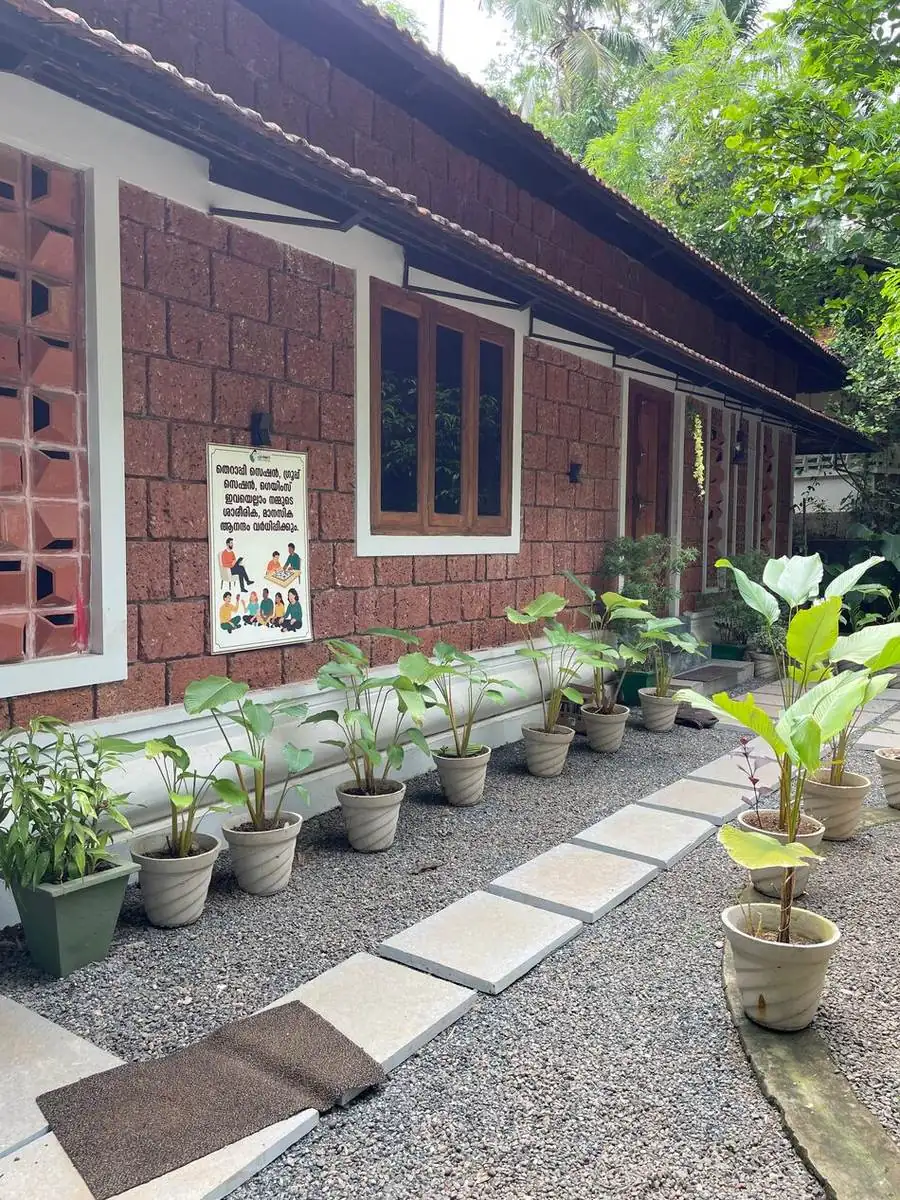
Punarjjany is a holistic recovery and rehabilitation centre in Poomala, Thrissur, for people with mild to moderate alcohol or substance dependence who are willing to come. Admission is decided only after a suitability assessment and medical clearance, and one family member stays on campus for all 21 days. Punarjjany has no ICU and does not provide emergency detoxification or inpatient psychiatric care, so anyone who needs that level of care is referred to an appropriately equipped hospital first.
Some people come to us after hospital care, once a doctor considers them medically suitable for a residential programme. If you are unsure which kind of help is needed, call us and we will talk it through. You may also find our page on drug rehabilitation in Kerala useful.
Talk to us first
A private conversation, with no pressure and no obligation. The line is open 24/7.
Call +91 97472 01015This page is general information, not medical advice.